


- Used to identify and address learning gaps
- Help students build confidence
- Supplements general educational curriculum
- Used to close learning gaps
- Improve student academic achievement
- Most typically in the areas of literacy, numeracy, language and arts
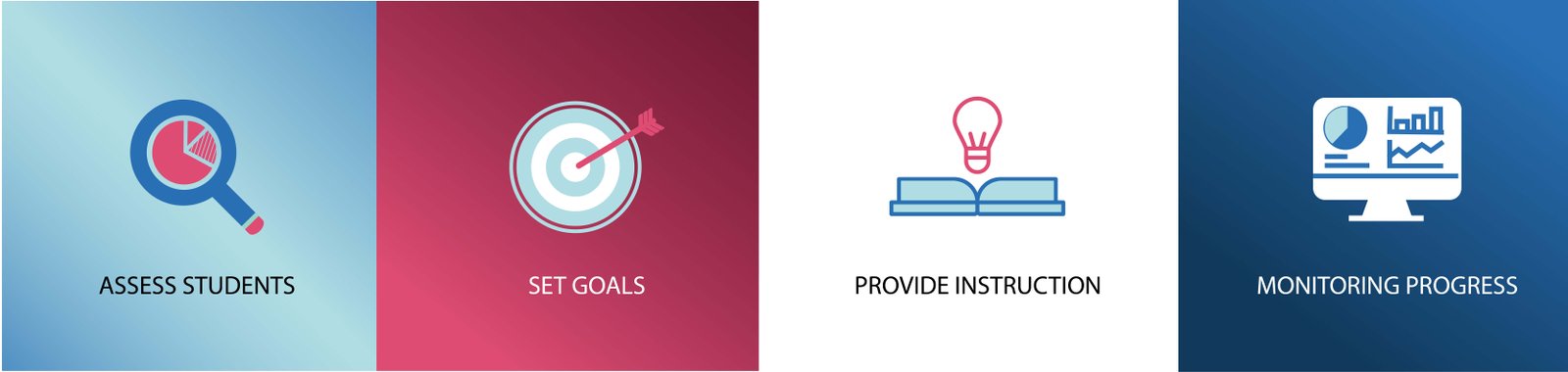
- Use assessment to track student progress
- Are led by subject teachers who have an in-depth understanding of the student
Art n Design is a first-of-its-kind academic intervention for school going students struggling to cop up with the pace and scale of school education. It has a range of evidence + research based decalogy- set of ten activity-based books that integrates cross-curricular and complements existing schooling.
The academic interventions, milestones and core values of Art n Design help students to engage with new age skills, enhance self-confidence, foster interest in learning, develop functional abilities, concept building, increase classroom participation, grow holistically, achieve the essential learning outcomes and establish a learner friendly + future ready educational ecology.
- Behavioral interventions
- Small group instruction
- Response to Intervention (RtI)
- Evidence-based interventions
- Metacognition
- Tier 3 interventions
Consists a set of strategies that help students who are underperforming in school
Books Insights
Recommended for
Play / Pre-Nursery
3-5 Years
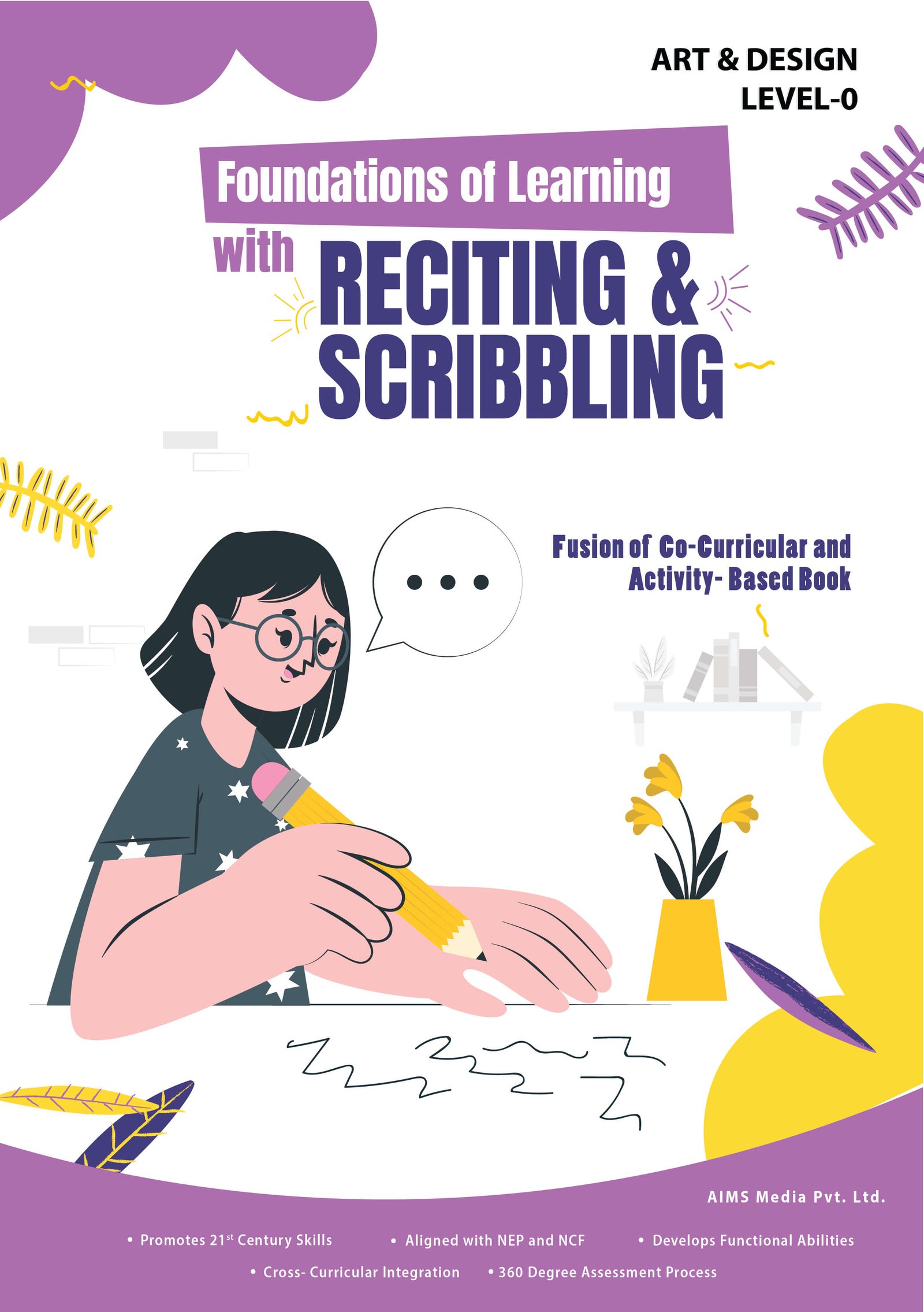
“Level 0 follows the cross-curricular integration using reciting and scribbling as a tool to boost the learning interest and enhance functional areas.”
Play / Pre-Nursery
3-5 Years
“Level 0 follows the cross-curricular integration using reciting and scribbling as a tool to boost the learning interest and enhance functional areas.”

Recommended for
Kindergarten
4-6 Years
“First level of the Art & Design is a comprehensive book integrates art with other subjects like numeracy, literacy, and environmental science. It aims to enhance learning, develop functional abilities, improve outcomes, and foster classroom participation.”
Kindergarten
4-6 Years
“First level of the Art & Design is a comprehensive book integrates art with other subjects like numeracy, literacy, and environmental science. It aims to enhance learning, develop functional abilities, improve outcomes, and foster classroom participation.”

Recommended for
Grade 1
5-7 Years
“Second level focuses on using coloring and clay as learning tools and combines artistic activities to stimulate cognitive and motor skills. It uses interactive exercises to keep learners engaged.”
Grade 1
5-7 Years
“Second level focuses on using coloring and clay as learning tools and combines artistic activities to stimulate cognitive and motor skills. It uses interactive exercises to keep learners engaged.”
Recommended for
Grade 2
6-8 Years
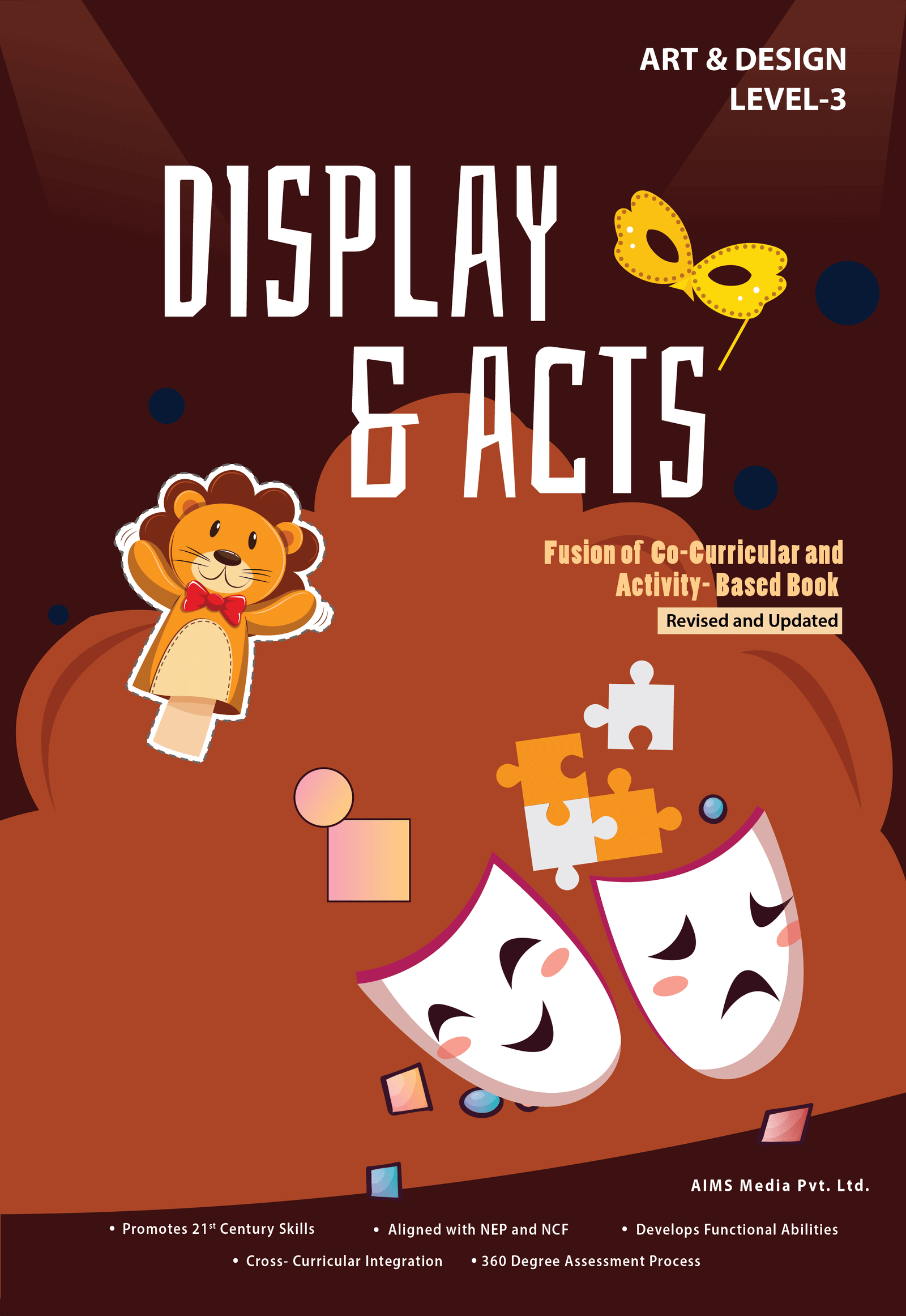
“Third level focuses on the ancient Indian art of acting ("Natan") as a powerful educational tool. Engaging pedagogies, such as collaborative learning and role-playing, encourage active participation.”
Grade 2
6-8 Years
“Third level focuses on the ancient Indian art of acting ("Natan") as a powerful educational tool. Engaging pedagogies, such as collaborative learning and role-playing, encourage active participation.”

Recommended for
Grade 3
7-9 Years
“Level four integrates art and academics through 3D demonstrations, experiential learning, and focus on inclusivity. This comprehensive book provides a rich learning experience with a strong emphasis on student engagement and real-world application.”
Grade 3
7-9 Years
“Level four integrates art and academics through 3D demonstrations, experiential learning, and focus on inclusivity. This comprehensive book provides a rich learning experience with a strong emphasis on student engagement and real-world application.”

Recommended for
Grade 4
8-10 Years
“'Art & Design' Level 5 book features engaging activities aligned with curriculum frameworks. Fosters inclusivity and integrates art across subjects. It emphasizes inquiry-based learning and provide comprehensive teacher resources for effective implementation.”
Grade 4
8-10 Years
“'Art & Design' Level 5 book features engaging activities aligned with curriculum frameworks. Fosters inclusivity and integrates art across subjects. It emphasizes inquiry-based learning and provide comprehensive teacher resources for effective implementation.”
Recommended for
Grade 5
9-11 Years
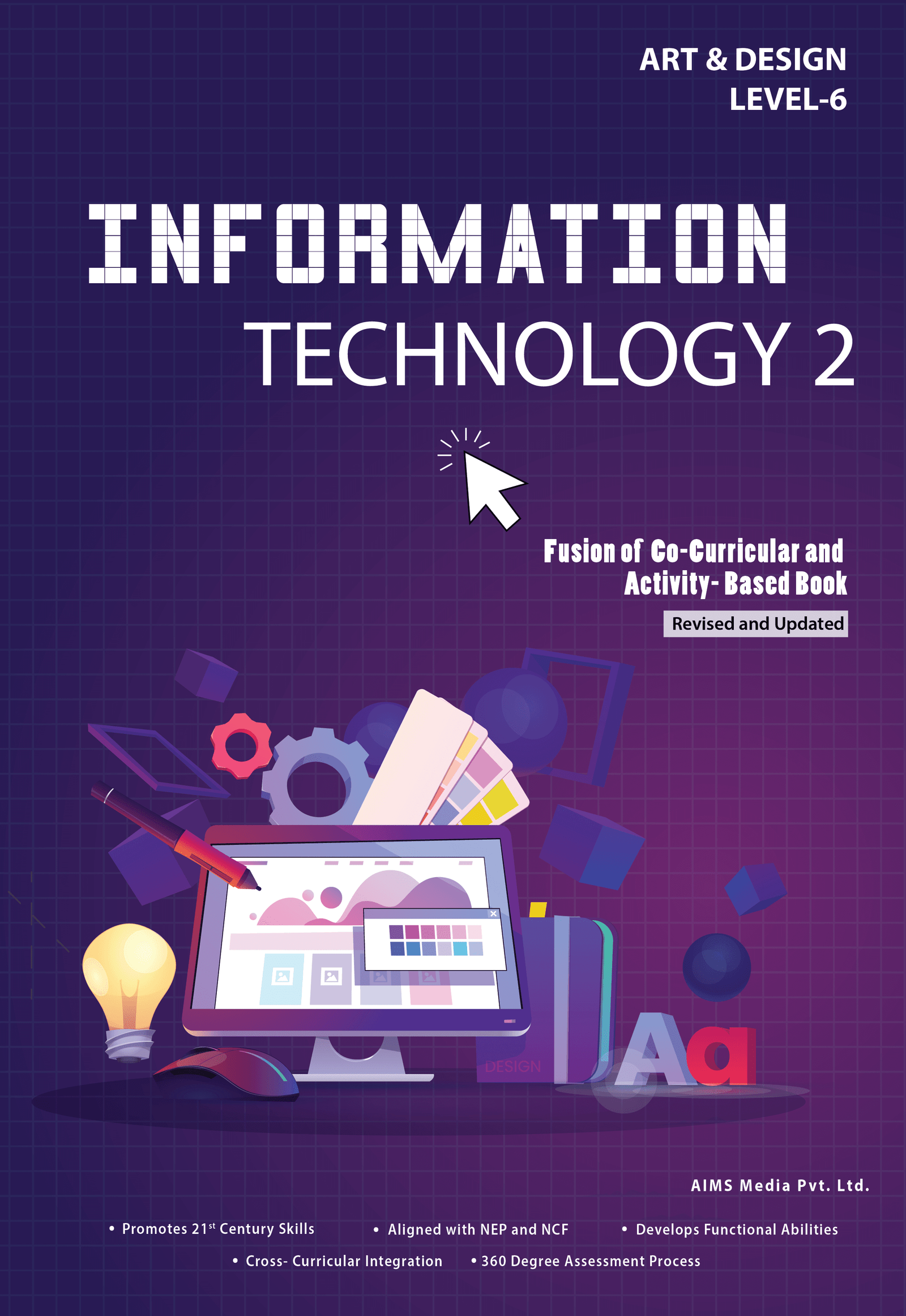
“Sixth level of the Art & Design utilizes IT as a valuable tool for education. This book integrates art and technology seamlessly, fostering critical thinking, creativity, and a deeper understanding of various subjects. With a focus on inclusivity and utilizing diverse pedagogies, it enhances the learning experience for all students.”
Grade 5
9-11 Years
“Sixth level of the Art & Design utilizes IT as a valuable tool for education. This book integrates art and technology seamlessly, fostering critical thinking, creativity, and a deeper understanding of various subjects. With a focus on inclusivity and utilizing diverse pedagogies, it enhances the learning experience for all students.”
Recommended for
Grade 6
10-12 Years
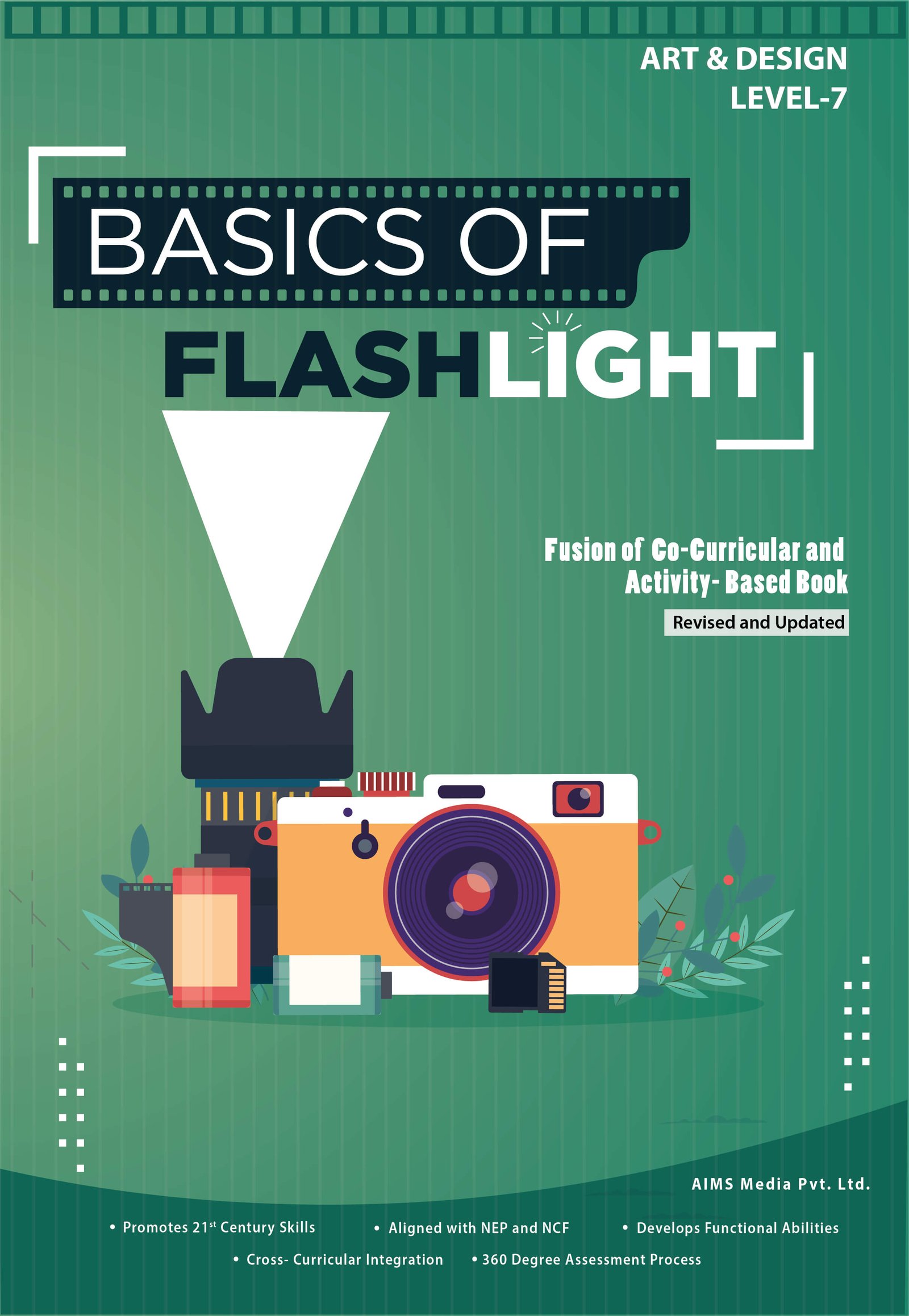
“Level 7 introduces photography as a valuable learning tool. This book features a comprehensive TLR (Teaching Learning Resource), incorporates diverse pedagogies, and is designed with inclusivity in mind. It aims to foster a love for learning and equip students with essential 21st-century skills.”
Grade 6
10-12 Years
“Level 7 introduces photography as a valuable learning tool. This book features a comprehensive TLR (Teaching Learning Resource), incorporates diverse pedagogies, and is designed with inclusivity in mind. It aims to foster a love for learning and equip students with essential 21st-century skills.”

Recommended for
Grade 7
11-13 Years
"Animation Guide 1" blends art and technology to make learning engaging and effective. This comprehensive resource, featuring interactive activities and a focus on diverse learning styles, helps students develop essential skills in animation while enhancing their understanding of various subjects.
Grade 7
11-13 Years
"Animation Guide 1" blends art and technology to make learning engaging and effective. This comprehensive resource, featuring interactive activities and a focus on diverse learning styles, helps students develop essential skills in animation while enhancing their understanding of various subjects.

Recommended for
Grade 8
12-14 Years
"Animation Guide 2" introduces animation as a powerful learning tool. It includes an exercise book and a comprehensive TLR, aligning with educational policies and catering to diverse learning needs. This resource enhances learning outcomes through engaging activities and cross-curricular integration.
Grade 8
12-14 Years
"Animation Guide 2" introduces animation as a powerful learning tool. It includes an exercise book and a comprehensive TLR, aligning with educational policies and catering to diverse learning needs. This resource enhances learning outcomes through engaging activities and cross-curricular integration.
What makes it special
- Aligned with world best education policies and practices including NEP, NCF and SDG
- Structured mentoring, monitoring and 360-degree assessment system
- Chapter-wise tools & techniques + progress & performance evaluation
- Dynamic activities with provident goals
- Teaching-learning resource (TLR) in all books
- Promotes 21st century skills and develops functional abilities
- Simplified implementation & execution process
- Inclusive & transdisciplinary books that use design as a universal language for change
- Strengthening classroom efficiency and increasing the productivity of students
- Help in achieving short-term long-term goals, principles learning and learning outcomes

Impact Stories
Shared Benefits
What Art n Design brings it along with
- Personalized learning solutions along with workbooks
- World-class capacity building methods for trainer/educators
- Comprehensive syllabus distribution plan
- Personalized/white label copies with your organization's logo coordinated with your practice from the second year
- Handhold support for three to five academic years
- Access of Web Application/ Tech solutions for transparency and easy supervision
- A conducive learning lab experience creates a transformative learning experience
- Scientific and statistical learning curve helps in assessing, mapping and planning students' learning habits and academic needs
- Certification to all participants
Learning Lab
Art n Design helps in establishing Learning Lab, a dynamic space that fosters creativity, innovation, and a deeper understanding of the world in a collaborative environment. To facilitate hands-on learning experiences and experimentation, Art n Design's Learning Lab emphasizes on active participation, problem-solving, and exploration rather than passive listening or rote memorization.
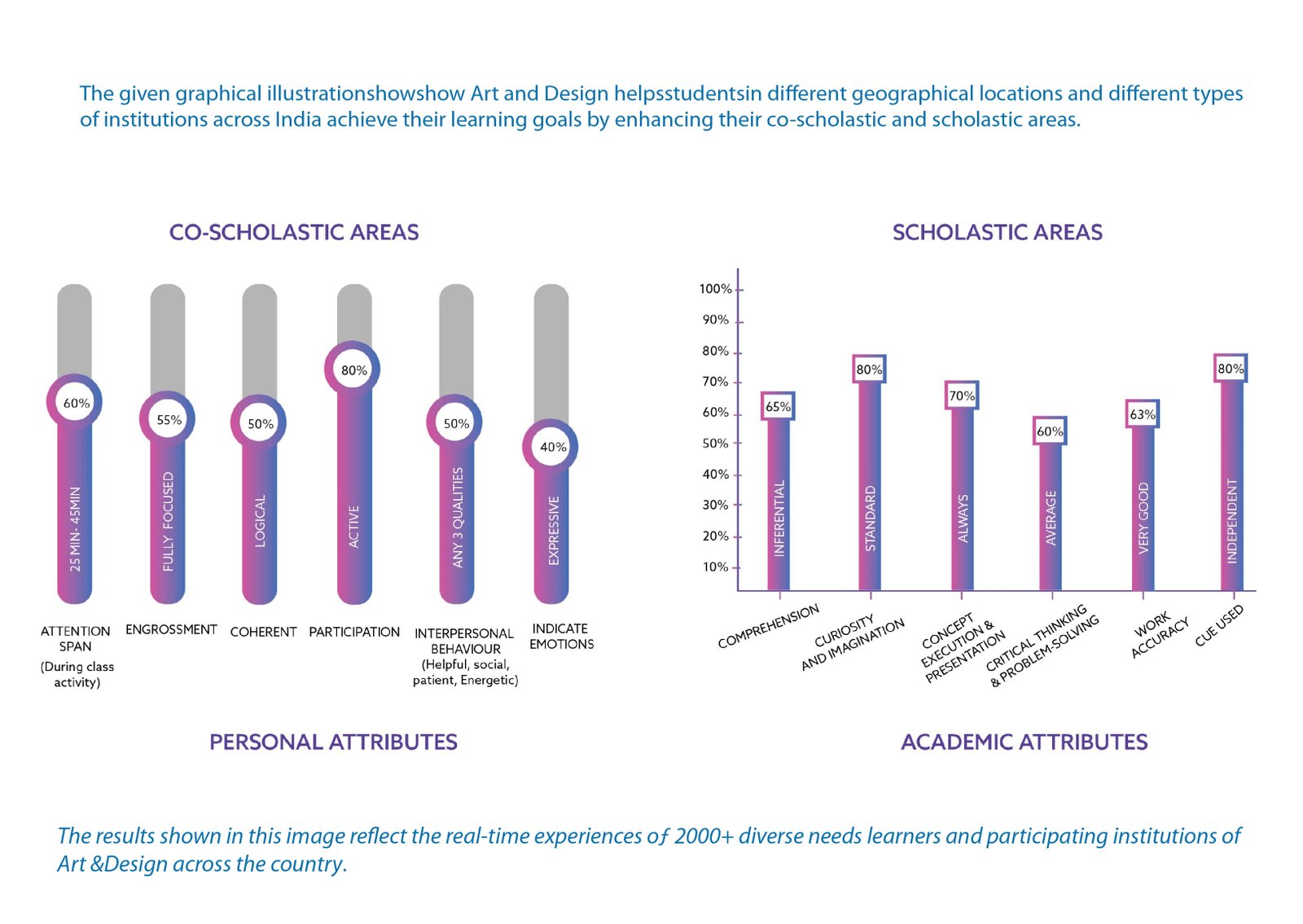
The Learning Lab helps to derive the student's Learning Curve.
Learning Curve
The learning curve describes how students acquire new skills and knowledge over time. This concept is invaluable for educators, offering insights into student progress and enabling the creation of effective learning strategies. By tracking student progress, teachers can:
- Identify areas where students need extra support or guidance.
- Foster motivation and enhance attention spans.
- Provide specific and constructive feedback to students by analyzing their learning curves, highlighting areas of strength and areas for improvement.
- Promote a growth mindset in students by emphasizing that mistakes and setbacks are an inherent part of the learning journey.
- After measuring 12 factors across scholastic and co-scholastic areas, a learning curve is generated.
- Helps in design uniform and structure IEP
- Helps in monitoring the regular performance and progress of the student

By understanding their own learning processes, students can develop more efficient and effective learning habits, leading to improved academic performance. Ultimately, the insights gained from learning curves equip students with the skills and adaptability necessary for success in their future careers.
Partner's Insights

“A VALUABLE ADDITION TO CURRICULUM”
We introduced Art & Design to the students of Vimarsha in June 2022. The course curriculum is very well planned and structured to cater to different levels. The books are standardised while the worksheets are flexible. This works very well for students with varied abilities. Based on our students’ aptitude, we started with levels 3, 4, 5 and 6. We have been able to easily integrate this subject into our system. Children have shown tremendous improvement in concentration and hand-eye coordination. This has been a valuable addition to our curriculum. We are very happy to see all our students benefit and enjoy this coursework. AIMS Media coordinator worked along with Vimarsha teachers to arrive at workable time table. Lessons are very simple and visually appealing. The periodic assessments are also very well planned. Art & Design is truly a fun and learn subject for our students.

“STRUCTURED CURRICULUM ENHANCING SKILLS”
The Art & Design subject trained students in the therapeutic benefits of the arts and transforming their skill sets. It is a structured curriculum that enhances cognitive skills and automatically children learning academic skills. When children get interested in creative work, it reduces their behavioural problems and increases their attention span, and also enhances their learning ability.
“ART IS A BEAUTIFUL WAY OF EXPRESSION”
At Shankar Foundation we always believe that art is a beautiful way of expression. We have been working with the concept since many years. But AIMS Media’s Art & Design course added more meaning to our belief. The course stimulated creativity and stimulation. It is providing different experience and special way of understanding and responding to the world of art. What I have observed is children are able to follow balance, pattern, rhythm, emphasis with the systematic training and techniques. Thanks to AIMS Media for creating learning opportunities in most meaningful way.

“AN OPTIMUM BENEFITS FROM ART & DESIGN”
The thought behind implementing Art & Design was to develop their creativity, reasoning, and overall cognitive development. The students are enjoying the class. They are learning the concepts joyfully. Some of the students are facing problem as it is in virtual mode. To obtain an optimum benefit, the program should have been implemented for all which unfortunately was not possible in a pandemic. The teachers benefit from the monthly training and there is a scope for interaction to resolve the issues that the students are facing. As per students’ needs, how to modify the worksheets as per students’ needs are shared by the teachers and accordingly, the worksheets are developed. The teachers are also given an idea of how to instruct the students for better results.

“UNIQUENESS OF THE SUBJECTS MOTIVATES STUDENTS TO LEARN MORE”
“Art & Design helped our students in many different ways in terms of behaviour, functional areas etc. Uniqueness of the subject which motivated and kept our students and educators indulged into it was customization of worksheets as per the ability of the individual(s). The method to learn and perform the activities was very much simplified which resulted into progress in the bars of performance in the report card of many students.”

“EFFECTIVE DEVELOPMENT OF STUDENTS”
Students show improvement in various skills after joining Art & Design classes. As they refine their learning skills and motor skills some students have shown improvement in behavioural issues and their attention span increases too.
“HELPFUL FOR SPECIAL NEEDS CHILDREN”
“Art and design books were given to us with different levels for different age groups and aptitude of our children. They are well designed in curriculum for differently abled children. Throughout the year the course was divided into various topics; and for each topic, training and methodology was explained to our staff in advance. We appreciate the hard work and thoughtfulness applied in creating this booklet.”





 6. Will this solution prepare my child to transition into mainstream education successfully?